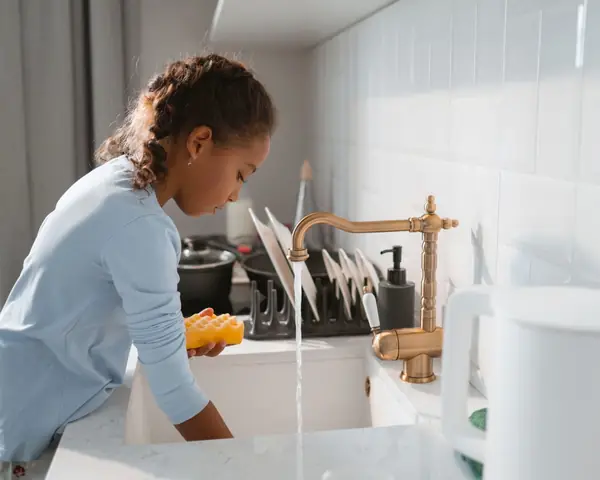
Installs across the US
Get your water softener installed right the first time.
Tell us your ZIP code and the job. We pass it to an independent local water treatment pro who can contact you, look at your water and prepare a quote.
- Free to ask
- No obligation to buy
- Your ZIP code is enough
- One short form
Tell us about the install
- About 17 mg/LOne grain per gallon of hardnessUtility reports print both units
- Over 180 mg/LVery hard water on the USGS scale121 to 180 is hard
- NSF/ANSI 44The standard for home softeners that use resin and salt
- 0.3 mg/LEPA’s guideline for iron, which stains orangeA guideline, not a limit
What a pro can take on
Five softener jobs, each with its own page
Pick the one that sounds like your home. Each page explains the work, what to check first and what to ask before anyone comes out.
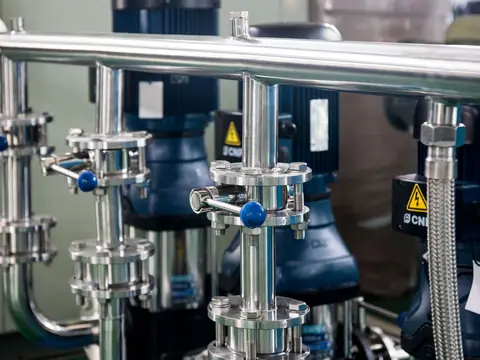
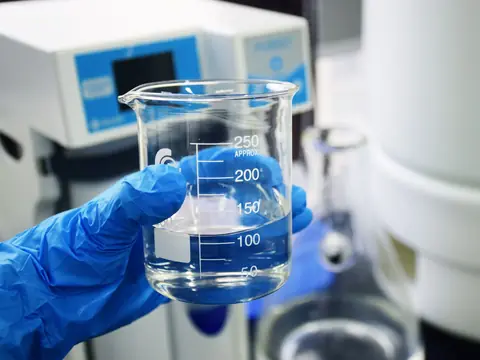
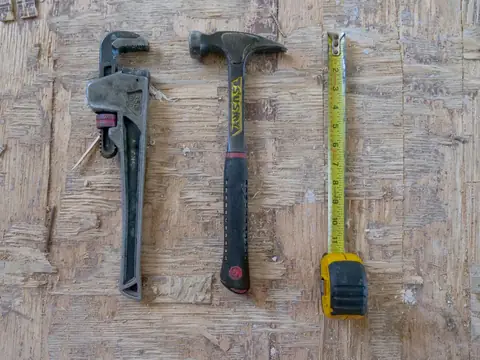



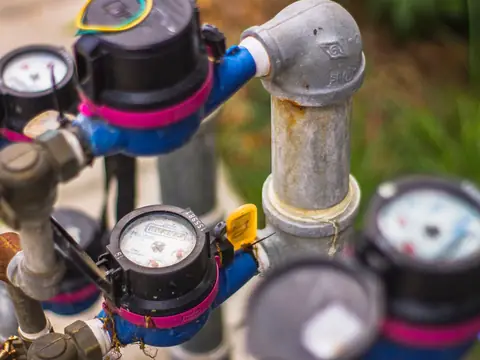
Water meters and valves where the main line comes into a building
Install day, in order
From the form to soft water
Every home is plumbed a little differently, so the pro you choose explains the plan for yours. This is the order the work follows.
You send the form
Your ZIP code, the job and a phone number. Nothing to pay and nothing to sign.
Passed to a local pro
Your request goes to an independent pro who works in your area and can contact you.
Hardness measured, system sized
Ask for your hardness in grains per gallon and how the size was worked out.
Install day
Water shut off, bypass fitted, tanks set, drain line run, control head powered.
Settings and salt explained
Ask to be shown the hardness setting, the salt level and the bypass before the pro leaves.
Before you book
What a professional softener install involves
Searching for how to install a water softener brings up a lot of do-it-yourself videos. They make it look like an afternoon with a pipe cutter. In practice, a softener is plumbing on the main water line of your house: nearly every tap, shower, toilet and appliance is fed through it once it is in. That is why many homeowners hand the job to a plumber or a water treatment pro, and why it pays to understand the work before anyone quotes it.
An install has a few fixed parts. The water to the house is shut off and the main line is opened where the softener will sit. A bypass valve goes in, so the softener can be taken out of the line for service without leaving the house without water. The inlet and outlet are connected to the softener’s control head, which sits on top of the resin tank. A drain line is run for the rinse water the softener sends away each time it cleans itself, and the brine tank, which holds the salt, is set beside it and connected. The control head needs power, so a nearby outlet matters.
Then comes the part a video cannot do for you: the settings. A softener is programmed for the hardness of your water and the way your household uses it. Set too low, hard water slips through. Set too high, it uses more salt and water than it needs. A good pro measures, sets and explains.
Before you hire anyone, it helps to know the questions to ask. How was the size worked out, and from what hardness figure? Where will the bypass valve sit, and how do you use it? Where does the drain line go? Does your city need a permit for this work, and who files it? What does the maker say about upkeep, and what is covered if a part fails? A pro who answers these plainly, in writing where it matters, is a pro who has thought about your house rather than a generic one. The rest of this page, and the pages linked from it, give you the background to judge the answers.
- A bypass valve on the main line, so the softener can be shut out without shutting off the house
- Inlet and outlet connections to the control head
- A drain line for the rinse water, connected the way your local code asks
- The brine tank set and connected, and a first fill of salt
- Power to the control head, and the hardness programmed
Sizing
What decides the size of your softener
A softener is sized by how much hardness it has to remove. Two numbers set that: how hard your water is, and how much water your home uses. Hardness is printed in milligrams per liter (mg/L) or in grains per gallon. Water utilities often give both, and one grain per gallon is about 17 mg/L.
The U.S. Geological Survey grades water from 0 to 60 mg/L as soft, 61 to 120 as moderately hard, 121 to 180 as hard and more than 180 as very hard. If you are on city water, your utility’s yearly water quality report gives the figure for its customers. If you are on a private well, the water needs a test. See the sizing guide for the method, and the whole-house installation page for what a pro looks at in your home.
Iron counts too
EPA’s guideline for iron is 0.3 mg/L, above which water can stain sinks and laundry reddish orange. Tell the pro if you see orange stains: it changes what they suggest.

On the main line
Where the softener goes in your house
A softener treats the water that flows through it, so where it is placed decides which taps get soft water. To soften hot and cold water, it has to sit on the main line before the line branches to the water heater. On a well, it goes after the pressure tank. Some homeowners ask for outdoor taps to stay on unsoftened water; whether that is possible depends on how your house is plumbed, so ask.
The spot also needs a drain for the rinse water, a power outlet for the control head, room for the brine tank and space to lift salt bags in. In many homes that means the garage, the basement or a utility room. The installation by a plumber page covers the plumbing in more detail.
Permits
Many cities require a plumbing permit for a new softener. Some cities list softener installs among minor jobs that can get a simple plumbing permit, and others list installing or replacing a softener among projects that need a full permit. Ask the pro whether your city needs one and who files it.
After install day
Salt, sodium and the water heater
Softeners that use salt work by ion exchange: resin beads in the tank take calcium and magnesium out of the water, and the resin is cleaned with a salt solution from the brine tank. NSF/ANSI 44 is the standard for home softeners of this kind, regenerated with sodium chloride or potassium chloride. As water utilities put it, sodium is added to the water in exchange for the hardness removed. If you are on a sodium-restricted diet, utilities suggest asking your doctor.
Water utilities commonly note that some softening systems can make water more corrosive, which can damage the anode in a tank water heater. Ask the pro how the system is set for your water and what to check on the heater. For upkeep, follow the maker’s schedule, and see maintenance and service for what a service visit covers.

Install checklist
- Your water’s hardness: the utility’s yearly report, or a test for a well
- How many people live in the home and how many bathrooms
- Where the main water line comes into the house
- A drain and a power outlet near that spot
- Room beside it for the brine tank and salt bags
- Any orange or black stains, and whether you also want a filter
Anywhere in the US
A softener pro who works where you live
This site is national. Your ZIP code tells us which independent local pro to pass your request to, and the water where you live tells the pro what to fit.

How it works where you live
Your ZIP code
It is enough for us to pass your request to a pro who works in your area.
City water or a well
City customers can read hardness in the utility’s yearly report. EPA and CDC advise testing a private well every year.
The pro’s own quote
Any quote comes from the pro. You decide whether to go ahead, and asking costs nothing.

Hardness, grade by grade
Soft: 0 to 60 mg/L
The U.S. Geological Survey’s softest grade, measured as calcium carbonate.
Moderately hard to hard: 61 to 180 mg/L
USGS calls 61 to 120 mg/L moderately hard and 121 to 180 mg/L hard.
Very hard: more than 180 mg/L
The top USGS grade. One grain per gallon is about 17 mg/L.
Source: U.S. Geological Survey general guidelines. To find your own figure, check your utility’s yearly report or test your well.
Questions
Questions before an install
Can I install a water softener myself?
Some homeowners do, but it means cutting into the main water line, fitting a bypass, running a drain line and programming the unit, and many cities require a plumbing permit. If any of that is unfamiliar, a plumber or water treatment pro is the safer choice.
Do I need a plumber to install a softener?
A softener is plumbed into the main line, so many people use a plumber or a water treatment pro. In Texas, people who install treatment equipment under contract need a state Water Treatment Specialist license unless they are licensed plumbers.
What size softener do I need?
It depends on your water’s hardness in grains per gallon and how much water your home uses. Ask the pro to measure the hardness and show how they sized the system. The sizing guide explains the method.
Where is the best place to install a water softener?
On the main line before it branches to the water heater, so hot and cold water are both softened, near a drain and a power outlet, with room for the brine tank. On a well it goes after the pressure tank.
How much does it cost to install a water softener?
This site prints no prices. What affects a quote is the size of the system, how easy the main line is to reach, the drain and power near it, any filter added, and whether a permit is needed.
Is softened water healthier?
Utilities say hard water is not a health risk, and some call using a softener a matter of personal preference. Salt-based softeners add sodium; if you are on a sodium-restricted diet, ask your doctor.
Is this site an installer?
No. Install Water Softener is an independent referral service, not an installer or plumber. When you send the form, your details go to an independent local water treatment pro who can contact you and prepare a quote.
Does it cost anything to ask?
No. Sending the form is free and you never have to hire anyone. More answers are on the questions page.
Your question not here? A local pro can answer it when they contact you.
Soft water starts with one form.
Your ZIP code and the job. We pass it to an independent local pro who can prepare a quote.